
What's the Difference Between a Body Composition Analyzer and a Regular Body Fat Scale?
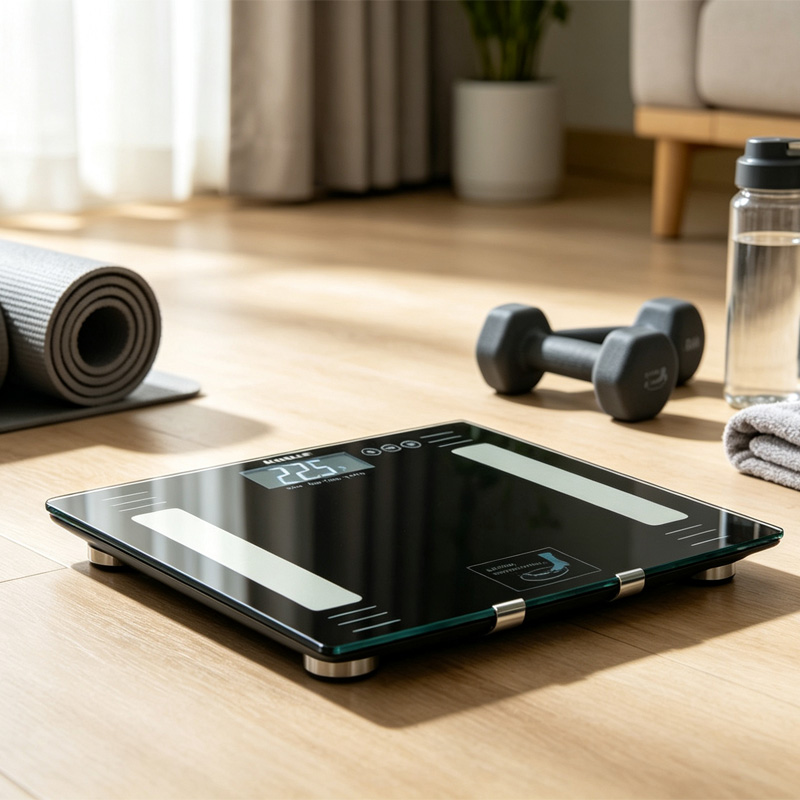
Both use bioelectrical impedance technology, but they differ significantly in measurement dimensions, use cases, and data depth. This article provides a detailed comparison.
Measurement Dimensions: Regular fat scales mainly measure weight and body fat; body composition analyzers measure muscle mass, water rate, basal metabolic rate, visceral fat, and more.
Electrode Design: Fat scales often use foot electrodes; analyzers typically use multi-electrode (hands and feet) designs for more comprehensive data.
Use Cases: Fat scales suit home monitoring; analyzers are used in gyms, health check centers, hospitals, and wellness institutions.
Data Management: Analyzers usually support data upload, report printing, and health platform integration for long-term tracking.
Selection Advice: Home users can choose fat scales; professional health and medical scenarios are better served by body composition analyzers.

join our newsletter
Stay connected with the latest weighing industry trends, expert insights, and exclusive OEM/ODM offers straight from our factory to your inbox.